
Signs of Separation Anxiety in Dogs (2026): The 9-Sign Checklist
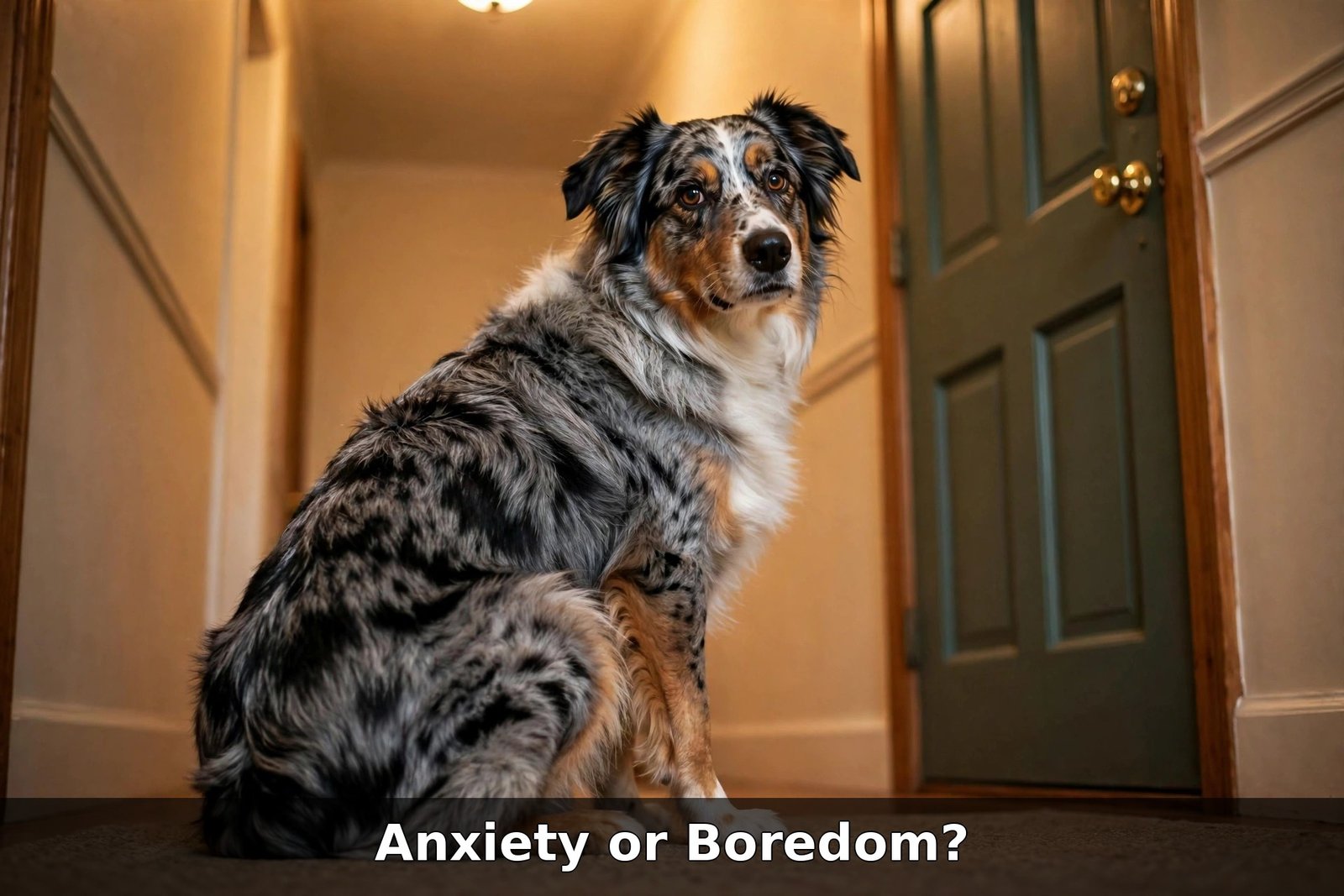
You come home to a shredded couch cushion, and your dog greets you with the full-body wiggle of pure joy. Was that anxiety — or was your dog just bored for six hours? The answer changes everything about what you do next, and most owners guess wrong. I’ve watched friends spend months on the wrong fix: calming products for a bored dog that needed a job, or marathon exercise for an anxious dog that needed a plan.
This guide gives you the 9-sign checklist behaviorists actually use, the anxiety-vs-boredom table that tells them apart in one glance, the dead-simple phone-camera test, and clear guidance on when it’s time to call your vet. No scare tactics, no miracle cures — just how to read what your dog is telling you.
Quick Verdict
True separation anxiety shows a cluster of signs — vocalizing that starts within minutes of you leaving, destruction focused on exits (doors, windows), drooling or panting, and frantic greetings. Boredom looks different: random destruction after hours alone, no panic at your departure cues, normal appetite. The phone-camera test settles it: record the first 30–60 minutes after you leave. If panic starts fast and stays intense, treat it as anxiety — and for severe signs like self-injury or escape attempts, talk to your vet or a certified behaviorist rather than trying to fix it solo.
The 9-Sign Checklist
One sign alone rarely means anxiety — context is everything. But when several of these cluster together, and they happen specifically when the dog is left alone, you’re looking at separation anxiety rather than a bad habit.
1. Barking, howling, or whining that starts fast. The classic. An anxious dog often starts vocalizing within minutes of your departure — sometimes before you’ve even reached the car. Neighbors are usually the ones who report this one.
2. Destruction aimed at exits. The big differentiator. Chewed door frames, scratched doors, torn blinds — the dog isn’t destroying randomly, they’re trying to get out and find you.
3. House soiling in a housetrained dog. A reliably housetrained dog that suddenly has accidents only when left alone is a red flag. This isn’t spite and it isn’t forgetting the rules — it’s a physiological stress response.
4. Escape attempts. Bolting through doors, jumping fences they’d never normally attempt, breaking out of crates. An anxious dog in escape mode can injure themselves badly — this sign alone warrants professional help.
5. Drooling, panting, or sweaty paws. Excessive drooling, heavy panting in a cool room, or damp paw prints on hard floors. These are the body’s stress signals — the dog equivalent of sweaty palms — and bored dogs don’t show them.
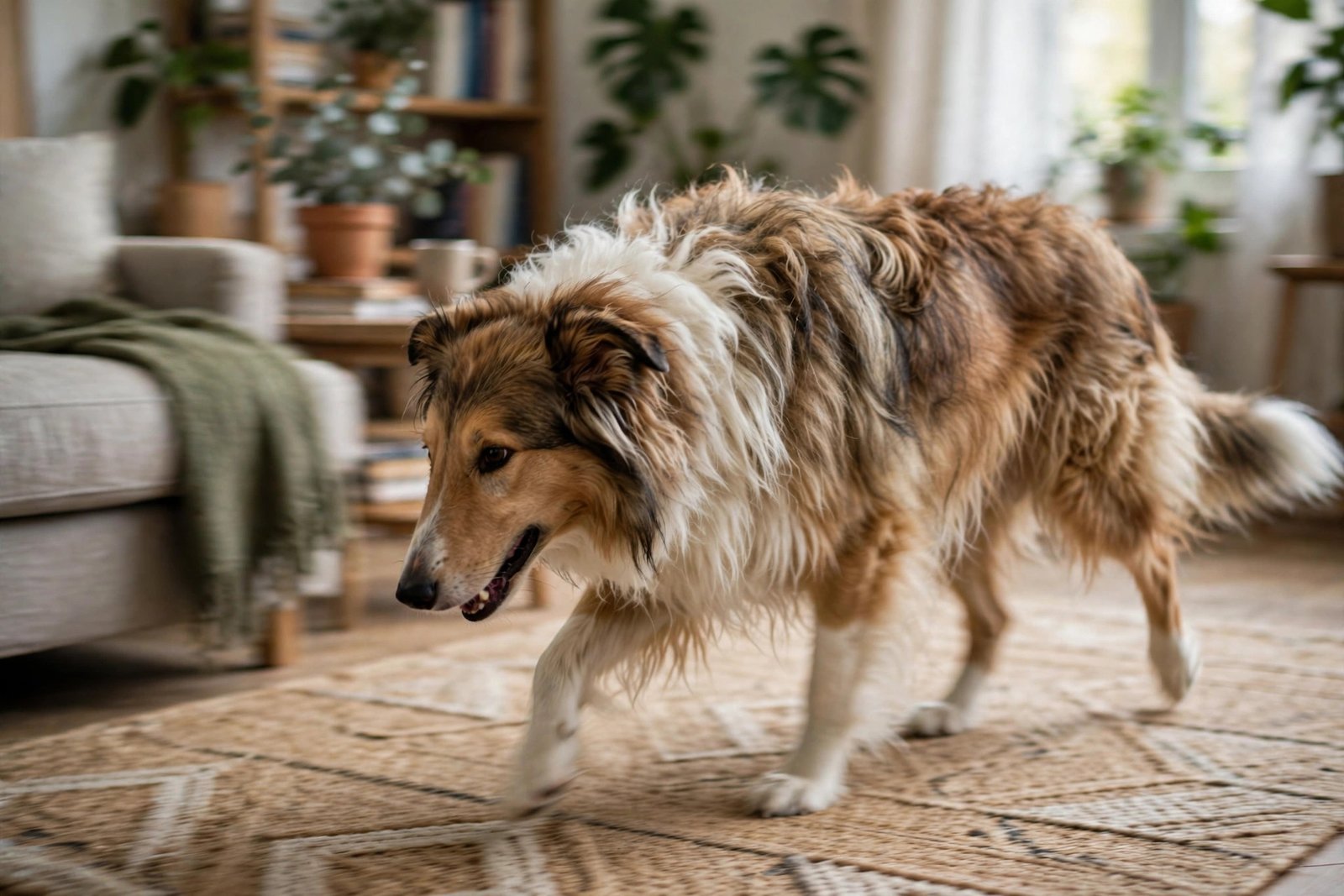
6. Pacing or circling. Walking the same path over and over — hallway to door to window, on repeat. Rhythmic, restless movement is a self-soothing attempt that isn’t working.
7. Panic at your departure cues. Watch what happens when you pick up your keys, put on your shoes, or grab your bag. A dog that starts trembling, following you room to room, or whining at these cues has learned the leaving sequence — and dreads it.
8. Refusing food when alone. A dog that won’t touch food, treats, or a stuffed chew toy while you’re gone — but eats normally when you’re home — is too stressed to eat. Appetite shuts down under real anxiety. (Bored dogs, by contrast, will happily work through every treat you left.)
9. Frantic, prolonged greetings. Every dog is happy to see you. But the anxious dog’s greeting is different in intensity and duration — full-body trembling, jumping that won’t stop, clinging, and taking a long time to settle back down. It’s relief, not just joy.
Anxiety or Just Boredom? The Table That Tells
This is the question that matters most, because the fixes are opposites: an anxious dog needs a gradual desensitization plan and calm support, while a bored dog needs more exercise, enrichment, and things to do. Here’s how to tell them apart at a glance.
| Separation Anxiety | Boredom | |
|---|---|---|
| When it starts | Within minutes of you leaving | After hours alone, when the novelty of solitude wears off |
| Body signals | Drooling, panting, pacing, trembling | None — the dog looks relaxed on camera between mischief |
| Food when alone | Refuses treats and chews | Eats everything you left, then gets creative |
| Departure cues | Panic at keys, shoes, bag — before you even leave | Mild interest or none at all |
| Greeting | Frantic, prolonged, hard to settle | Happy but normal — settles quickly |
| When you’re home | Velcro dog — follows you everywhere, distress if shut out | Independent enough; fine when you’re around |

That door frame above is the textbook picture: the damage is vertical, concentrated at exit height, and clearly made by a dog trying to go through the door — not a dog entertaining itself. Boredom damage looks like a crime of opportunity. Anxiety damage looks like an escape plan.
The Phone-Camera Test (Do This Today)
You don’t need special equipment — just your phone and a normal departure. Set your phone to record video (or use any pet camera app), prop it where it sees the main room, and leave the house the way you normally would. Record the first 30–60 minutes.
What you’re looking for: timing and trajectory. An anxious dog typically starts showing distress within the first 5–15 minutes — vocalizing, pacing, scratching at the door — and it stays intense or escalates. A bored dog usually settles first, naps even, and only gets destructive much later when restlessness sets in.
Be honest with yourself when you watch it. It’s tempting to explain away the footage (“he was just excited”), but the camera doesn’t flatter. If you see panic, believe the panic — it’s the most reliable diagnostic tool you have, and it’s what a behaviorist would ask for first anyway.
The “Guilt Look” Is a Myth
You come home, point at the shredded cushion, and your dog does the thing — ears back, eyes down, the full tragic face. It looks exactly like guilt. It isn’t.
What’s actually happening: your dog is reading your body language — your tense posture, your sharp tone, the way you’re looming over the evidence — and offering appeasement signals. Ears back and averted gaze are dog for “please don’t be scary,” not “I know what I did.” Studies on this are consistent: dogs do the “guilty” face whether or not they were the culprit, as long as the owner acts upset. The look responds to you, not to the memory of the crime.
Why this matters: scolding after the fact doesn’t teach anything — the dog can’t connect your anger now to something they did hours ago. It just adds fear to whatever they were already feeling, which makes anxiety worse, not better.
When to Call Your Vet (Don’t Wait on These)
Mild anxiety — some whining, mild restlessness — is something many owners work through with routine changes, enrichment, and patience. But certain signs mean you should get professional help rather than going it alone:
- Self-injury: broken nails, bloody paws, chewed skin, broken teeth from crate bars. The dog is hurting themselves — that’s an emergency-level sign.
- Real escape attempts: breaking through windows, jumping fences, destroying doors. A dog in full escape mode can get lost, hit by a car, or seriously hurt.
- Escalation: it’s getting worse week by week despite your efforts, not better.
- Not eating for the whole absence: a dog too stressed to eat for hours is a dog in real distress.
- You’re stuck: you’ve tried the basics for a few weeks and nothing’s shifting.
Your vet can rule out medical contributors (pain and thyroid issues can mimic anxiety), and a certified veterinary behaviorist can build a desensitization plan for your specific dog. In genuine cases, vets sometimes prescribe anti-anxiety medication as part of the plan — that’s a medical decision for your vet, not something to source on your own.
What Actually Helps (The Honest Version)
There’s no product that cures separation anxiety — anyone selling you one is selling hope in a bottle. What helps is a layered approach: a consistent departure routine that doesn’t make a drama of leaving, gradual desensitization to alone time (starting with seconds, not hours), and a comfortable resting spot that anchors the routine. Our guide to the best calming dog bed for separation anxiety covers the bed side of that plan — the right type and size for how your dog sleeps.
Two more pieces worth reading: calming treats for dogs with separation anxiety for the treat-ritual side of departures, and crate vs. free roam for separation anxiety — because confining an anxious dog helps some and harms others, and guessing wrong sets you back.
Frequently Asked Questions
How can I tell if my dog has separation anxiety or is just bored?
Check the timing and pattern: anxiety starts within minutes of leaving, targets exits, and comes with stress signals like drooling and panting. Boredom starts hours in, hits random objects, and the dog eats happily while alone. The phone-camera test settles most cases.
Why does my dog follow me everywhere?
Some of it is normal bonding — dogs are social. But shadowing you room to room combined with distress when shut out (pawing, whining at closed doors) is one of the anxiety checklist signs. Context decides which it is.
Can puppies have separation anxiety?
Yes — and it’s common, since puppies are wired to panic when separated from their group. The good news: young dogs often respond faster to gradual alone-time training. Start with very short absences and build up; don’t “cry it out” for hours.
Will getting a second dog fix separation anxiety?
Usually not — the anxiety is about you leaving, not about being the only dog. Some dogs settle better with company, but plenty panic just the same. Fix the anxiety first, then decide about dog number two.
Does my dog feel guilty about destroying things?
No — the “guilt look” is appeasement in response to your upset body language, not remorse about the act. Scolding after the fact doesn’t teach; it just adds fear to the mix.
Start with the camera test, read the signs honestly, and match the fix to the real problem — an anxious dog and a bored dog need opposite solutions.
🎄 Visit Our Etsy Shop — Fukroo
Printable Christmas wall art, gift tags & party games — instant download
Shop on Etsy →





6 Comments