

How to Choose the Best Joint Supplement for Senior Dogs with Arthritis (2026 Vet-Honest Guide)
I noticed it on the third step. My old lab — twelve, gray around the muzzle — used to take the porch stairs two at a time. Then one morning she stopped halfway, looked back at me, and sat down like the stairs had personally offended her. That little pause is usually where the Googling starts: “best joint supplement for senior dogs with arthritis.”
If that’s you, welcome. I’ve spent an embarrassing amount of time squinting at supplement labels and reading the actual research so you don’t have to. Here’s the honest version up front: joint supplements can genuinely help some senior dogs move more comfortably, but they’re slow, they’re not painkillers, and they work best as part of a plan your vet signs off on. And while you’re making life easier for an achy senior, a supportive bed matters too — here’s how often to wash a dog bed so it stays fresh for those long afternoon naps.
Quick Verdict
Best starting point for most senior dogs: a chewable glucosamine + chondroitin + MSM combo, dog-formulated.
Expect 4–8 weeks before you judge anything — no honest supplement works overnight.
Always an add-on to vet care — never a replacement for prescribed pain relief.
Skip human products: some contain xylitol, which is toxic to dogs.
What’s Actually Happening Inside an Arthritic Joint
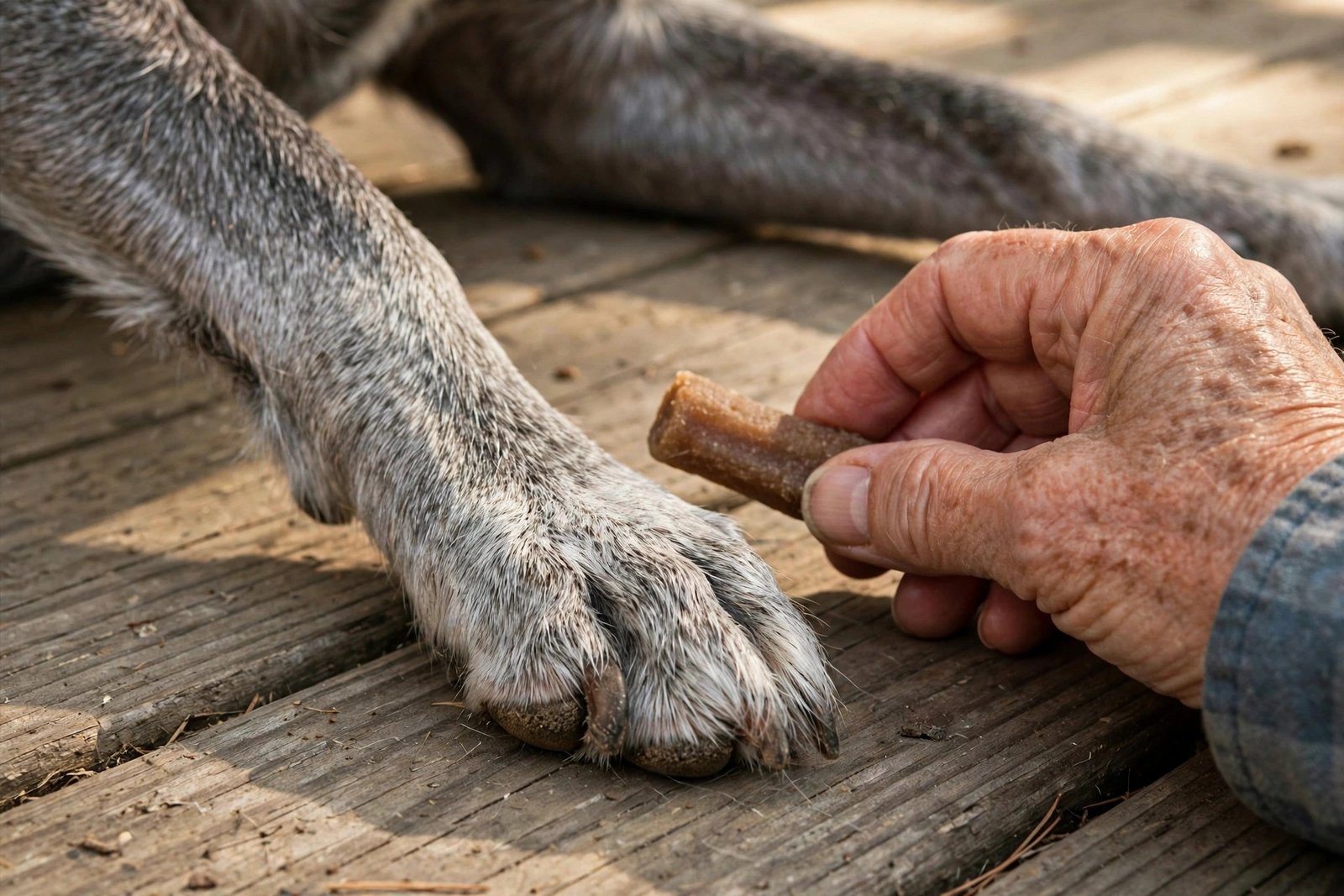
Think of a healthy joint as a door hinge lined with a smooth, spongy pad — that’s cartilage — sitting in a little pool of slippery fluid that keeps everything gliding. With arthritis, that pad thins out, the fluid gets watery, and bone starts rubbing closer to bone. It hurts. And it explains the pattern almost every owner describes: stiff and creaky first thing in the morning, a bit looser after a slow warm-up walk, then sore again in the evening.
That’s also why no supplement can “fix” arthritis. Cartilage doesn’t regrow because you fed your dog a tasty chew. What the better formulas may do is support the joint environment — keep remaining cartilage a little healthier, keep fluid a little thicker, and calm some of the low-grade inflammation around it. Manage your expectations around that sentence and you’ll never be disappointed by a supplement again.
The Ingredients That Matter (and What They Actually Do)
Labels throw around a lot of science-y words. Only a handful of ingredients have any real track record behind them. Here’s the short list I actually look for:
Glucosamine. The headline act. It’s a building block of cartilage, and the idea is to give the body raw material to maintain what’s left. The most-studied of the bunch.
Chondroitin. Glucosamine’s usual partner. It helps cartilage hold water (staying plump and springy) and may slow the enzymes that break cartilage down.
MSM. A sulfur compound your dog’s connective tissue needs. Included mainly for general joint-tissue support.
Hyaluronic acid. The same stuff in skin creams — in joints, it helps thicken that slippery fluid so the hinge glides instead of grinding.
Green-lipped mussel (GLM). A whole-food source of omega fatty acids and other joint-supporting compounds. One caution: it’s shellfish, so dogs with shellfish allergies should avoid it.
Omega-3s (EPA + DHA). The anti-inflammatory support crew. They don’t rebuild anything, but they may help take the edge off joint inflammation — and your dog’s coat usually looks better as a bonus.
Turmeric and boswellia. Plant-based anti-inflammatories. Traditional use is long; hard clinical evidence in dogs is thin, but they’re common in “advanced” formulas.
The honest evidence note. There is one small randomized trial worth knowing about: McCarthy et al. (2007) gave 35 dogs with osteoarthritis either a glucosamine–chondroitin combo or carprofen (a vet-prescribed NSAID) for 70 days, and the supplement group wasn’t worse off on pain and weight-bearing scores. That’s genuinely encouraging — but it’s one small, old trial, and the overall evidence base is best described as mixed-to-promising, not proven. Anyone telling you the science is “settled” is selling something.
The 4 Supplement Types Worth Knowing About
Forget brand names for a minute — the type of product matters far more than the logo on the jar. Here are the four formats you’ll actually encounter, and who each one suits.
1. Chewable Glucosamine + Chondroitin + MSM Combos
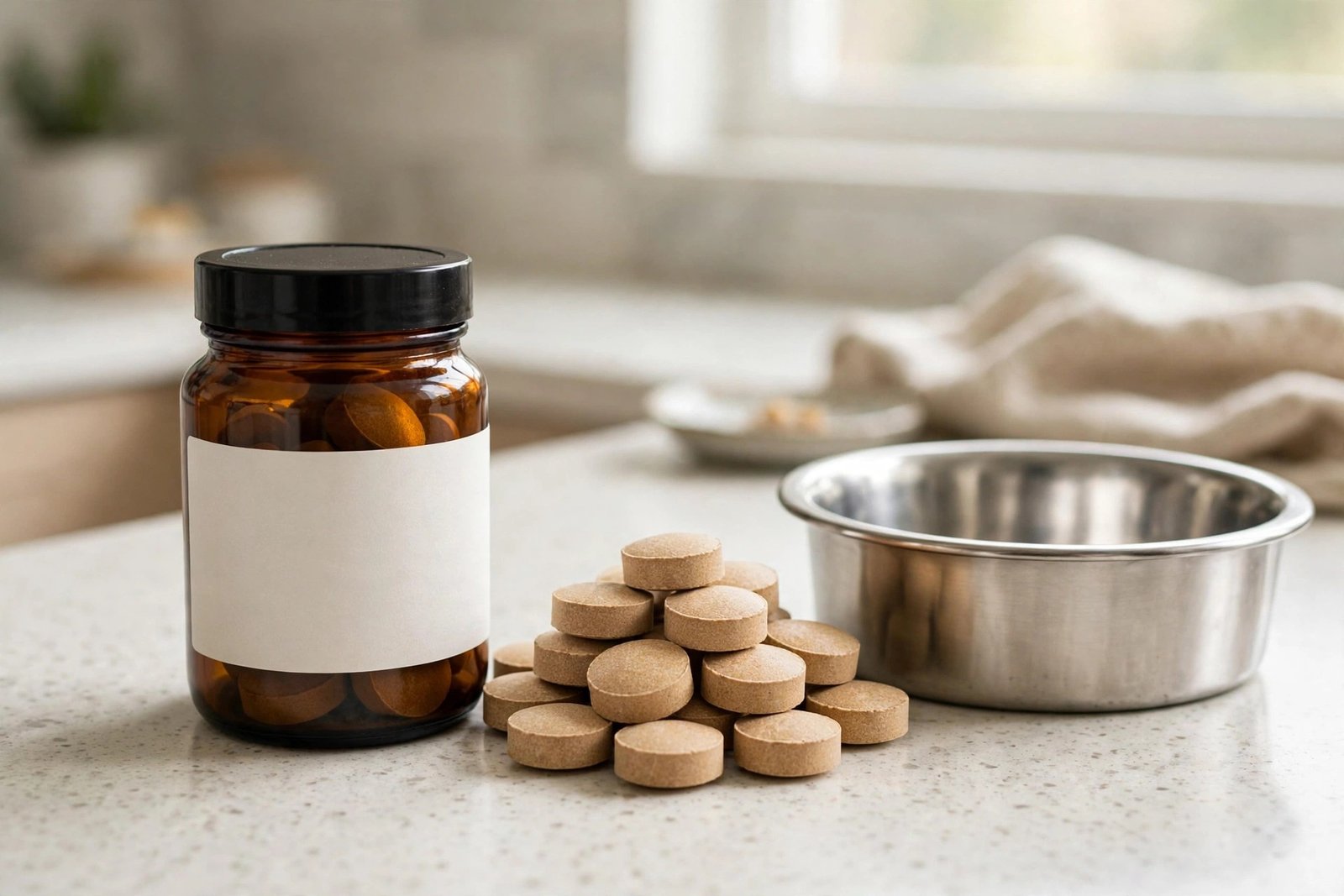
The classic. A daily chewable or tablet built around the big three — glucosamine, chondroitin, and MSM — often with a few supporting extras. This is the format behind most of the research that exists, and it’s where I’d start with almost any stiff senior.
Best for: most senior dogs with mild-to-moderate stiffness; the sensible first thing to try.
Pros: the best-studied ingredient combo; simple daily routine; easy to find in proper dog formulations.
Cons: hard tablets can trouble dogs with bad teeth; takes weeks to judge; won’t handle serious pain on its own.
2. Advanced Formulas With ASU-Type Ingredients

These take the classic combo and add extras: avocado/soybean unsaponifiables (ASU), hyaluronic acid, turmeric, boswellia, sometimes green-lipped mussel. “Advanced” mostly means “more ingredients in one jar.”
Best for: dogs that plateaued on a basic combo, or owners who’d rather buy one fuller formula than stack several.
Pros: broader ingredient panel in a single daily dose; may help dogs the basics didn’t quite reach.
Cons: harder to tell which ingredient is actually doing the work; long labels take real effort to decode.
3. Soft-Chew Mobility Bites (the Picky-Dog Pick)
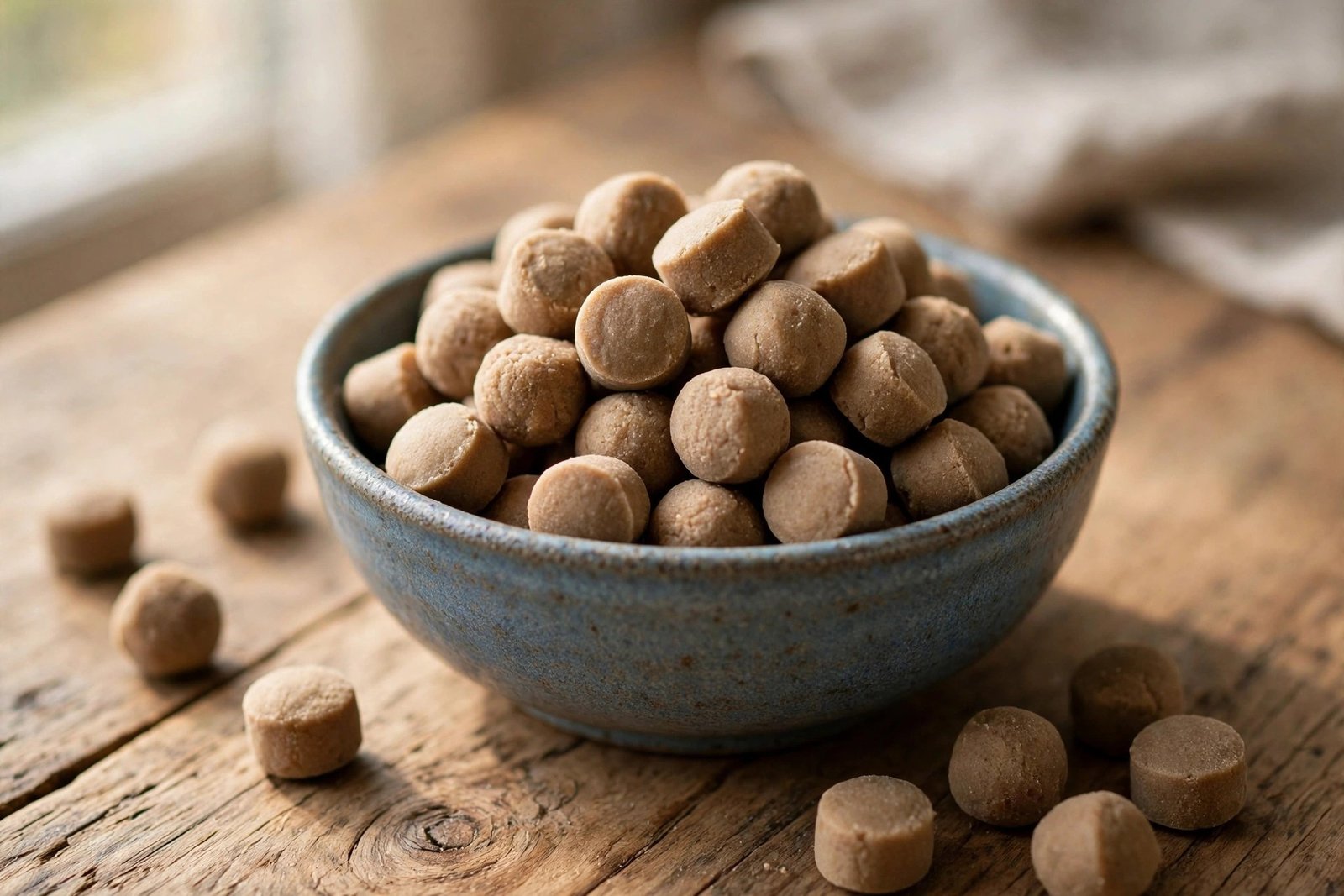
Same core ingredients, treat-style. If your dog spits tablets across the kitchen or has a sore mouth, the format can matter more than the formula — the best supplement in the world does nothing sitting in the jar.
Best for: picky eaters, tablet-spitters, and seniors with dental trouble.
Pros: compliance — your dog will actually eat it; gentle on sore mouths.
Cons: often lower active levels per piece than tablets; store them like treats (out of reach) because your dog will treat them like treats.
4. Omega-3 Fish Oil Liquid (EPA + DHA Support)
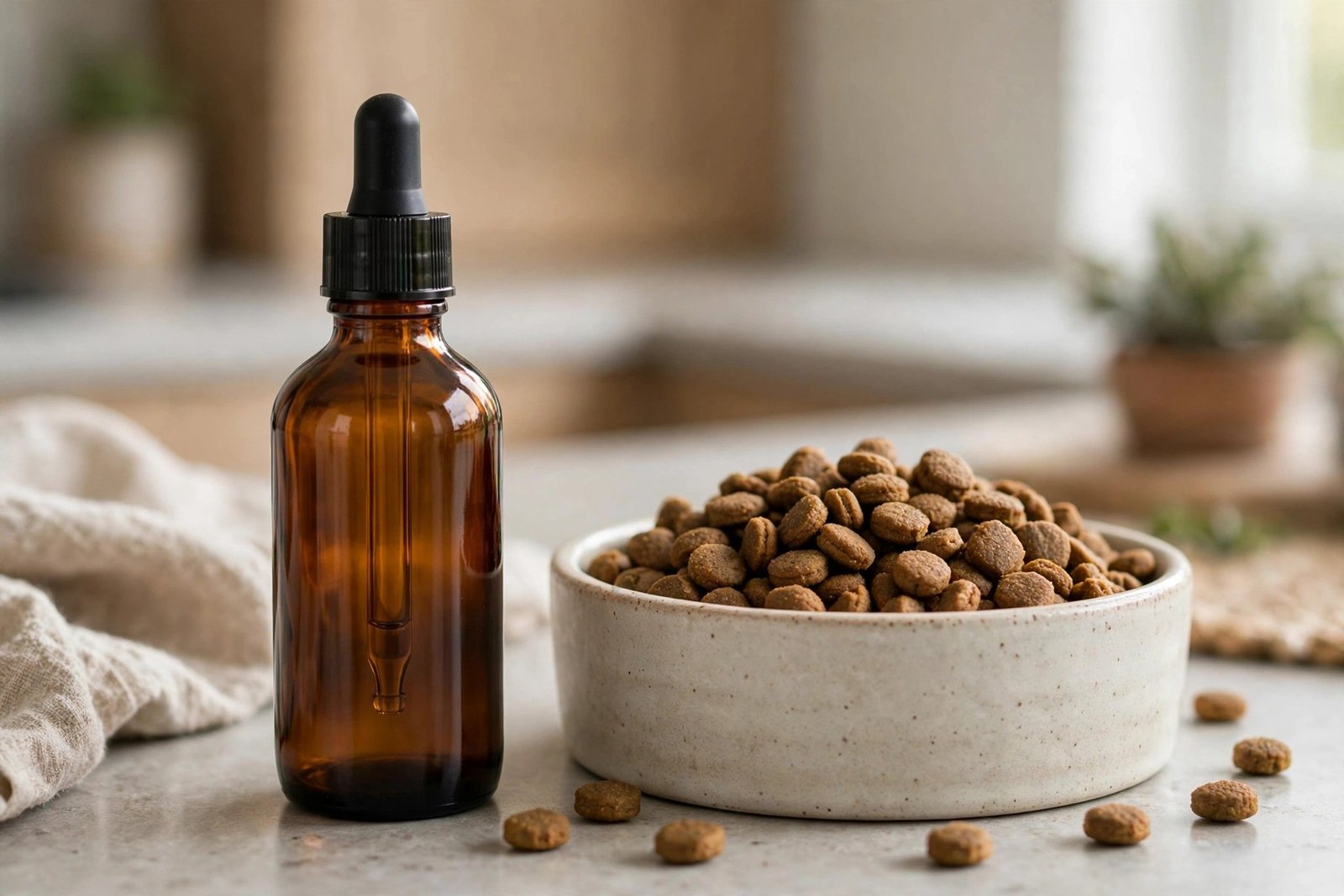
A pump or dropper of fish oil over meals, valued for EPA and DHA. It isn’t a joint supplement in the cartilage sense — it’s anti-inflammatory support that pairs well with one of the chewable types above.
Best for: dogs needing extra inflammation support alongside a chewable; doubles as a coat conditioner.
Pros: easy to add to food; no pilling or chewing required.
Cons: unmistakable fishy smell in your kitchen; must be stored properly or it goes rancid.
Side-by-Side: Which Type Fits Your Dog?
| Type | Best For | Watch Out For |
|---|---|---|
| Glucosamine + chondroitin + MSM chewable | Most seniors; the default first try | Slow (weeks), not a painkiller |
| Advanced ASU-type formula | Dogs that plateaued on basics | Long, confusing labels |
| Soft-chew mobility bites | Picky eaters, sore mouths | Lower actives per piece |
| Omega-3 fish oil liquid | Extra inflammation support | Smell; goes rancid if stored badly |
The Label-Reading Checklist (Before You Buy Any Jar)
Here’s my five-minute routine in the supplement aisle — physical or virtual. Run every candidate through it:
- Dog-formulated, full stop. Human glucosamine products may contain xylitol, which is toxic to dogs. Only buy products made for dogs.
- Named actives with amounts. Look for “glucosamine” with an actual mg-per-chew figure, not a “proprietary blend” hiding the numbers.
- Shellfish caution. GLM and some glucosamine are shellfish-derived. If your dog has a shellfish allergy, pick a formula without them.
- No cure language. Labels promising to “cure arthritis” or “rebuild joints in days” are selling hope, not science. Honest labels talk about supporting mobility.
- Directions matched to size. Follow the label’s feeding directions for your dog’s weight — don’t freelance the amounts.
- Fresh and sealed. Check dates, especially on fish oil. Rancid oil does more harm than good.
Red Flags: When to See the Vet Instead
Supplements are for slow, creaky, chronic stiffness — not for emergencies. Call your vet promptly if you see sudden lameness where your dog won’t bear weight at all, visible swelling or heat in a joint, crying out or snapping when touched, or stiffness that’s worsening fast over days. And here’s the big one people miss: even if a supplement seems to help, your dog still needs a proper arthritis diagnosis and a pain-management plan. A supplement may help some dogs feel a bit better while an untreated problem quietly gets worse underneath.

A couple of side notes for senior life in general: not every change is arthritis — a heavier-than-usual shed, for instance, is often just age (why dogs shed so much). And if your achy senior is also restless or anxious at night, that’s a separate issue worth its own look — our guide to calming treats for dogs with separation anxiety covers what actually helps there.
Frequently Asked Questions
Do joint supplements actually work for dogs?
For some dogs, yes — modestly. The best-known trial (McCarthy et al., 2007: 35 dogs, 70 days) found a glucosamine–chondroitin combo held its own against carprofen on pain and weight-bearing. Beyond that, the evidence is mixed-to-promising, and vets are split. Treat them as comfort support alongside vet care, not as proven medicine.
How long does it take for glucosamine to work in dogs?
Plan on 4–8 weeks of daily use before you judge anything. These ingredients build up gradually; if someone promises results in days, they’re not being straight with you. Keep a simple log — stairs, morning stiffness, walk length — so you’re comparing against reality, not vibes.
What’s the difference between basic and advanced (ASU) formulas?
Basic formulas center on glucosamine, chondroitin, and MSM. “Advanced” versions add ingredients like ASU (avocado/soybean unsaponifiables), hyaluronic acid, turmeric, or boswellia. More isn’t automatically better — but for a dog that plateaued on the basics, the fuller formula is a reasonable next step to discuss with your vet.
Can I give my dog human joint supplements?
Please don’t. Human products may contain xylitol, which is toxic to dogs, and their formulations and flavorings aren’t designed for canine stomachs or dosing. Stick to products formulated for dogs.
Should I still see the vet if the supplements seem to help?
Absolutely. Supplements may ease comfort, but they don’t diagnose anything, and they don’t replace prescribed pain relief like NSAIDs when a vet decides those are needed. Think of the supplement as one layer of a care plan — the vet visit is what makes it a plan.
🎄 Visit Our Etsy Shop — Fukroo
Printable Christmas wall art, gift tags & party games — instant download
Shop on Etsy →


