How Often Should You Wash a Dog Bed? (Schedule by Dog Type)
This article contains affiliate links. If you buy through a link on this page, Furveko may earn a small commission at no extra cost to you. It never changes which products we recommend.
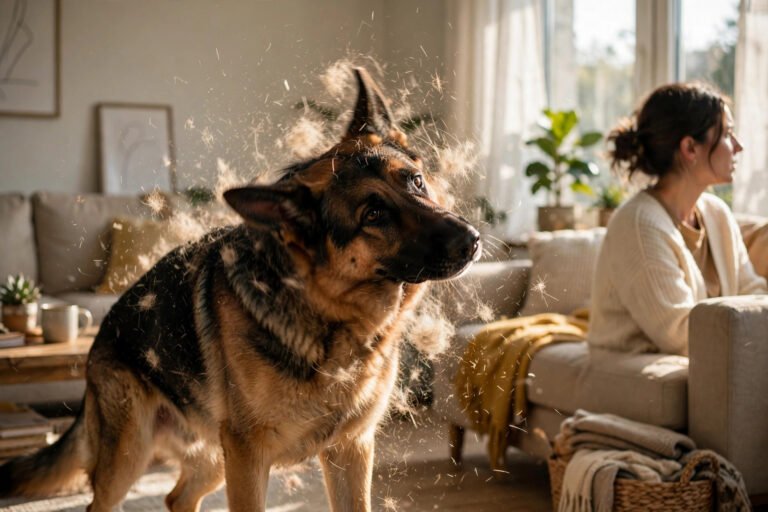
There is a moment every dog owner knows. You walk past the dog bed on a warm afternoon, catch a sour whiff, lean down for a proper sniff, and immediately wish you had not. The bed did not get dirty overnight. It got dirty in layers — a little drool here, muddy paw dust there, shed hair packed into the seams — until one day it crosses a line.
Dog beds rarely come with a routine. We wash them when they look bad or smell bad. By then, they are usually overdue. A simple schedule matched to your dog fixes that without turning laundry into a second job.
Quick Answer
Wash the removable cover once a week and the inner bed or liner every one to two months. Veterinary and humane-society guidance, including AKC-style weekly guidance for covers, points the same way: weekly for the surface your dog lies on daily, monthly for deeper cleaning, and sooner if the bed smells.
Why Dog Beds Need Washing More Often Than You Think
A dog bed collects more than hair. It holds skin oils, saliva, dander, pollen carried in on the coat, and whatever the garden gave up on the last walk. Left unwashed, it puts yesterday’s dirt back onto a clean dog, and a warm, slightly damp nest suits bacteria and dust mites. Clean bedding also lasts longer — grit ground into seams wears fabric faster than a gentle wash.
If hair is taking over everywhere else, the bed is usually ground zero. A quick pass with one of the best pet hair remover for couch tools before laundry day keeps the worst of it out of your machine.
How Often Should You Wash a Dog Bed? Schedule by Dog Type
One schedule does not fit every dog. Use this table as a starting point, then adjust by smell and season.
| Dog type | Removable cover | Inner cushion / liner | Quick vacuum or wipe |
|---|---|---|---|
| Average adult dog | Every week | Every 4–6 weeks | 2–3 times a week |
| Heavy shedder or double-coated breed | Every 5–7 days | Every 4 weeks | Every other day |
| Allergy-prone home | Every 5–7 days | Every 3–4 weeks | Every other day |
| Puppy | Twice a week, or after accidents | Every 2–3 weeks | Daily spot clean |
| Senior dog | Twice a week | Every 2–3 weeks | Daily check |
Summer shortens every interval. Heat and humidity build odour faster, and dogs drool and pant more onto bedding. Puppies are the strictest case because accidents happen — a cover washed promptly rarely keeps the smell, while one left three days usually does, and once odour soaks into foam it is very hard to lift.
Senior dogs sleep more hours and may have occasional leaks or more sensitive skin. If your older dog uses a support bed, pair a cleaning rhythm with a proper best orthopedic dog bed for senior dogs with arthritis setup so the foam stays supportive and fresh as long as possible.
How to Wash a Dog Bed Properly
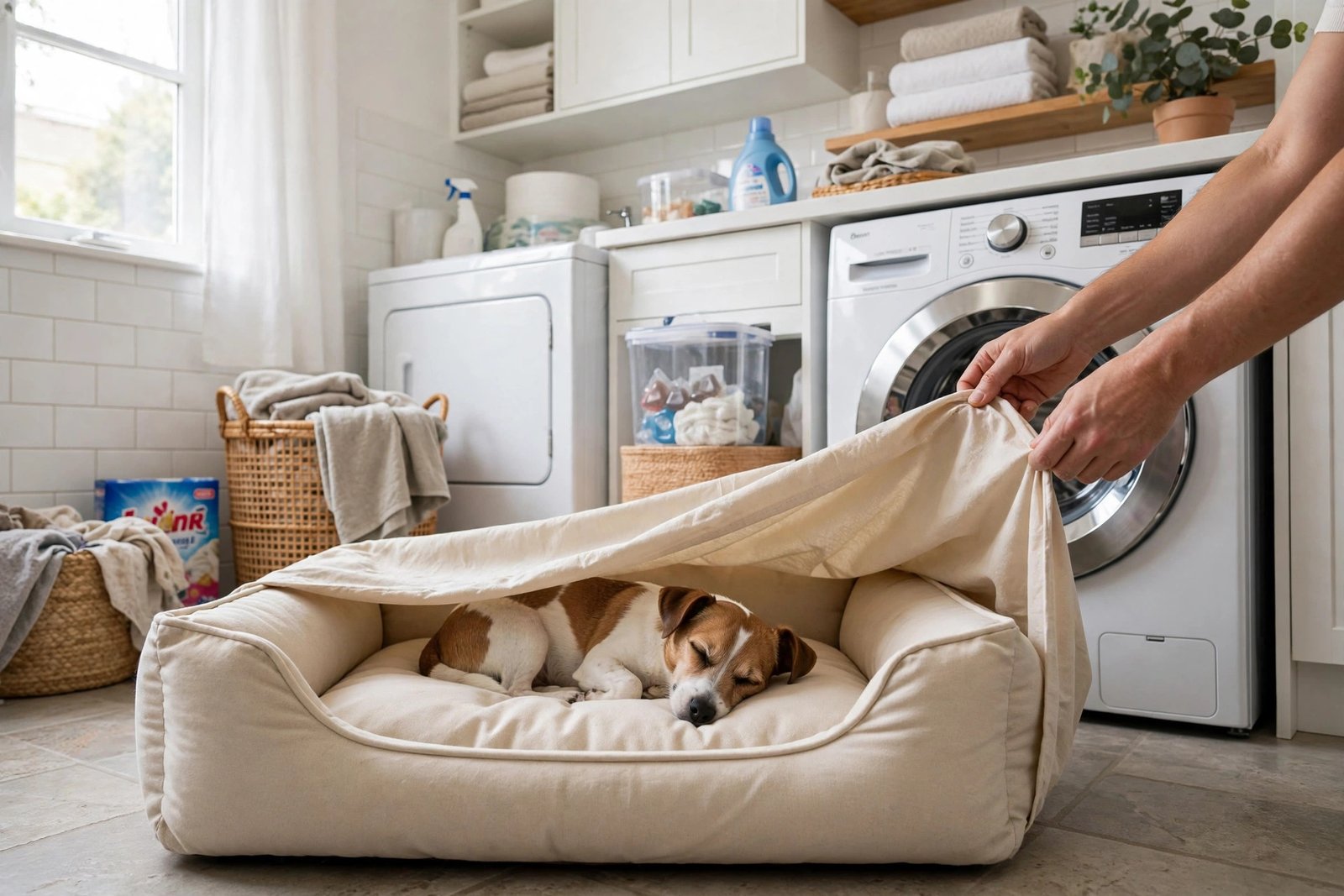
Washing well is mostly about separating the parts. The cover, liner, and foam each want different treatment — putting the whole bed in the machine is how good beds die young.
Step 1: Shake and de-hair outside first. Take the bed to the door or garden, unzip, and shake cover and cushion thoroughly. Run a lint roller or vacuum over both sides. This five-minute step protects your machine’s filter and stops hair simply moving from bed to clothes. The same prep helps bedding and blankets, as our guide on how to get pet hair out of laundry explains in detail.
Step 2: Wash the removable cover. Check the care label first. As a default, wash at 30–40°C (85–105°F) with a mild, fragrance-free detergent. Hotter water can shrink zips out of alignment and fade fabric, and strong scents that smell clean to us can be intense for a dog who will press its nose into that spot for eight hours. Close the zip, turn patterned covers inside out, and wash with dog towels rather than your best shirts.
Step 3: Treat the liner and foam carefully. Wash a removable liner on a similar schedule, a little less often than the cover. Loose fibre-fill cushions in washable cases can often go in a large machine on gentle — let the label decide. Memory foam and solid orthopedic foam should not go through a wash and spin. Foam acts like a sponge, takes in a huge weight of water, and can tear in the drum. Spot-clean it with a cloth dampened in mild soapy water, blot to rinse, and let it air-dry completely. Bicarbonate of soda left a few hours before vacuuming helps neutralise odour between cleans.
Step 4: Dry fully before rebuilding the bed. Damp foam inside a fresh cover is how mildew starts. Line-dry covers where you can, or tumble on low. The cushion should feel dry when you press the centre hard, not just on the surface — in humid weather this can take a full day. A spare cover on rotation removes the pressure to rush.
Common Mistakes That Keep Dog Beds Smelly
Washing more often won’t help if the same mistakes repeat. Washing the cover but never the liner or inner pad means odour lives on underneath — if a fresh cover smells stale by day three, look below. Heavily scented detergent or fabric softener masks smell briefly, then mixes with it, and softener can coat water-resistant finishes. Sealing a damp bed back up guarantees a musty smell. Never vacuuming between washes lets grit act like sandpaper in the seams. And washing everything at the highest heat breaks down foam, liners, and stitching faster than dirt would.
When to Replace a Dog Bed Instead of Washing It
A clean bed that no longer supports your dog is not doing its job. Replace it when the centre stays flattened and your dog’s hips or elbows press through to the floor; when odour returns within a day or two after a deep clean; when zips break, seams split, or stuffing escapes; when mould appears or a musty smell survives a sunny day outside; or when your dog starts avoiding the bed for the floor. Dogs vote with their sleeping spots. Most beds last one to three years.
A Simple Weekly Routine That Sticks
Two or three times a week, vacuum or shake the bed and wipe muddy prints. Once a week, strip the cover and wash it with the dog-towel load. Once a month, wash, spot-clean, or air the liner and cushion. Every three months, press-test the foam and check seams and zips. That is it.
If your dog is getting older, sleeping longer, and rising a little stiffer, washing is only half the comfort story. Our guide to supportive beds for senior dogs covers foam depth, low-entry designs, and washable covers over the right liner, so your next bed is easier to clean and kinder to sore joints from day one.
Veterinary note: This article is general home-care information, not veterinary advice. Persistent skin irritation, hair loss, strong odour from the skin or ears, changes in continence, or sudden changes in sleep behaviour warrant a visit to your veterinarian, who can check for allergies, infection, pain, or other causes that clean bedding alone will not fix.
Frequently Asked Questions
Can I wash a whole dog bed in the washing machine?
Sometimes. Small fibre-filled beds with no solid foam often tolerate a gentle cycle in a large machine. Most larger beds, and any bed with memory foam, should be separated — cover in the machine, foam spot-cleaned only. If in doubt, treat the parts separately.
What temperature should I wash a dog bed at?
30–40°C (85–105°F) with mild detergent suits most covers and liners and cleans well without shrinking zips or damaging finishes. After a stomach bug or a run of puppy accidents, one hotter wash may be sensible if the label allows it, followed by a complete dry.
How do I get the smell out of dog bed foam?
Spot-clean with mild soapy water, blot rather than soak, sprinkle bicarbonate of soda over the surface, leave it several hours or overnight, vacuum thoroughly, and air the foam outside. Repeat once if needed. If odour returns quickly after that, the foam has absorbed it too deeply and replacement is more realistic than another wash.
How often should I wash a dog bed if my dog has allergies?
Wash the cover every five to seven days and the liner every three to four weeks, with vacuuming every other day, and keep detergent fragrance-free. Bedding is only one part of allergy management, so stay in touch with your veterinarian if symptoms persist.
Do I need a waterproof liner?
It is one of the most practical additions you can make, especially for puppies, seniors, and dogs who come in wet. A liner stops liquids and oils reaching the foam, so the cover does the hard work and the support underneath lasts far longer. Wash it regularly — it gets grubby precisely because it’s doing its job.
Is it okay to use bleach or strong disinfectant?
Usually unnecessary, and not ideal against something your dog will breathe on for hours. Mild detergent, warm water, and complete drying handle routine cleaning. Reserve disinfectants for clear illness situations, choose pet-appropriate options, rinse thoroughly, and dry fully before use.